
The Global Conference of Apple Developers (WWDC) is coming soon, and this is when we will learn everything about MacOS 16, the next version of the Mac operating system (and iOS 19 The new iPhone OS). This version could include major changes for the Mac, in addition to more Apple Intelligence features.
So far, Apple has made no official announcements on MacOS 16, but rumors are starting to flee. This article keeps a trace of the reports so that you can have an idea of what to wait when MacOS 16 is revealed in June and arrives on Mac later in the year.
MacOS 16: release date
Apple's official release of MacOS 16 will be in the fall, as is generally the case. It is likely to coincide with the release of iOS 19, although Apple has already programmed the update of macOS after iOS, sometimes as short as a week, sometimes as long as a month.
Here is the recent delivery story for MacOS.
- MacOS 15 Sequoia: September 16, 2024
- MacOS 14 Sonoma: September 26, 2023
- MacOS 13 Ventura: October 24, 2022
- MacOS 12 Monterey: October 25, 2021
- MacOS 11 Big on: November 12, 2020
- MacOS 10.15 Catalina: October 7, 2019
- MacOS 10.14 Mojave: September 24, 2018
MacOS 16: Public developer and beta
However, you will not have to wait for the full version to try the new software. Apple will direct a beta developer as well as a public beta version, so if you want to try the new features before being released to the general public, you can do it.
Apple announces the new version of MacOS at WWDC in June. A beta macOS is published by developers at the time, with a public beta version published about a month later, generally after the beta developer passed at a second step (Beta 2).
The first beta developer is generally shipped at the start of WWDC. Last year, the WWDC Keynote took place on June 10, this year, we believe that it will start on June 9. The public beta version generally arrives a month later (in 2024, the public version arrived on July 15).
Between WWDC and the official version in the fall, Apple will publish beta and public beta updates. Anyone using the beta version is encouraged to submit boost reports using the Apple feedback assistant application included so that the company can remedy it.
Find out more about participation in Apple beta software so that you can test the new software as soon as the beta version arrives.
MacOS 16: New name
Unlike its other operating systems, Apple attaches a name to MacOS. The current name is MacOS Sequoia, which is version 15 of the software. Since OS X 10.9 In 2013, Apple used names associated with California.
Rumors on the new name will swirl before the official release. Some brand names that have circulated in recent years include California, Condor, Diablo, Farallon, Grizzly, Mammoth, Miramar, Pacific, Redwood, Redtail, Rincon, Skyline and Shasta. These names have been recorded by a company that would be a shell for Apple. Internally the company, MacOS 16 is called Cheer.

Will Apple continue with the names based in California? Count on it.
Apple
Here is a list of recent macos names based on places in California:
- OS X Mavericks (version 10.9)
- OS X Yosemite (version 10.10)
- OS X the captain (version 10.11)
- MacOS Sierra (version 10.12)
- MacOS High Sierra (version 10.13)
- MacOS Mojave (version 10.14)
- MacOS Catalina (version 10.15)
- MacOS BIG SUR (version 11)
- MacOS Monterey (version 12)
- MacOS Ventura (version 13)
- MacOS Sonoma (version 14)
- MacOS Sequoia (version 15)
MacOS 16: compatibility
Since the MacOS 16 can include major interface changes, Apple can decide to make this first version of MacOS which does not work on Mac based on Intel. The signs of this began to appear a few years ago. Apple wishes to move all users of these Macs to Mac in series M and could use this version of MacOS as a cut -off point. We do not know if the changes in the user interface depend on the equipment found only on Macs in the series M.
In this spirit, you can check the specifications of your Mac, then take a look at what we expect from MacOS 16 with:
- MacBook Air (M1 or later)
- MacBook Pro (M1 or later)
- IMAC (M1 or later)
- Mac Mini (M1 or later)
- Mac studio (M1 max or later)
- Mac Pro (M2 ultra or later)

This could be the year when Apple decides to make future versions of macOS for Macs in the M series only.
Foundry
MacOS 16: New features
Here are some of the new features expected in MacOS 16. This list will be updated as more features are reported.
Change of major user interface
According to a report by Mark Gurman by Bloomberg, MacOS 16 (with iOS 19 and iPados 19) will have a redesigned user interface which is “freely” based on Visionos, the Apple operating system for its vision pro helmet. Apple wants to make its operating systems more consistent on all platforms, and Visionos will be inspiration for this.
The details on how Apple will implement this new design is not yet available, but Apple is not content to simply relate to the Visionos User Interface to the Mac and end with. It will combine the best of both worlds and will eventually allow Mac users to do more.
Due to the tactile implementation of visionos, it is easy to conclude that Apple works on a touch screen mac. The hardware rumors are more widespread than that of software, and the capacity of the touch screen has not been mentioned on future MacBooks or Apple screens.
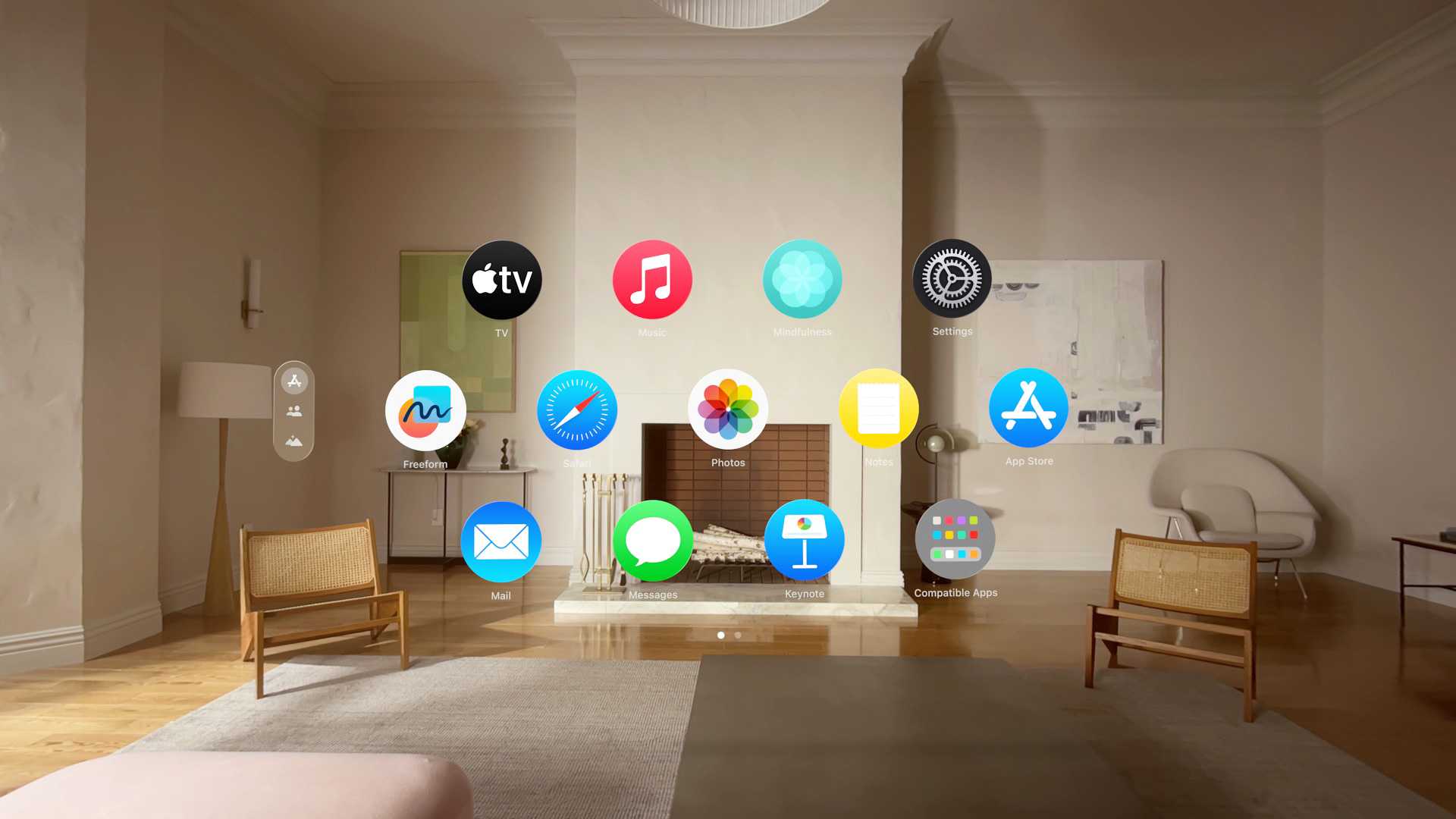
Do round icons arrive in MacOS?
Apple
Apple Intelligence and Siri
Apple Intelligence made its debut with MacOS 15 Sequoia and Apple is on a continuous development path with these features. However, the reports on what these new features of Apple Intelligence have not appeared.
Attached to Apple Intelligence, a major update from Siri had to be published before WWDC25, but these efforts require more time. Apple generally introduces Siri updates first on iOS, so this delay means that SIRI updates in MacOS have been rejected even more.
Upgrades to home applications
A large part of what is planned for the iOS 19 update will make its way in MacOS 16. Although the details on the domestic application have not been reported, several reports of new intelligent house equipment have been made, it will follow that Apple will update the Home application. However, the domestic application is more often used on the iPad and the iPhone, so that Apple can publish the Mac version of the domestic application on a later date.
Table of Contents


