
After years on the fringes of the foldable device market, Apple is finally considering launching its own foldable device, according to several new reports.
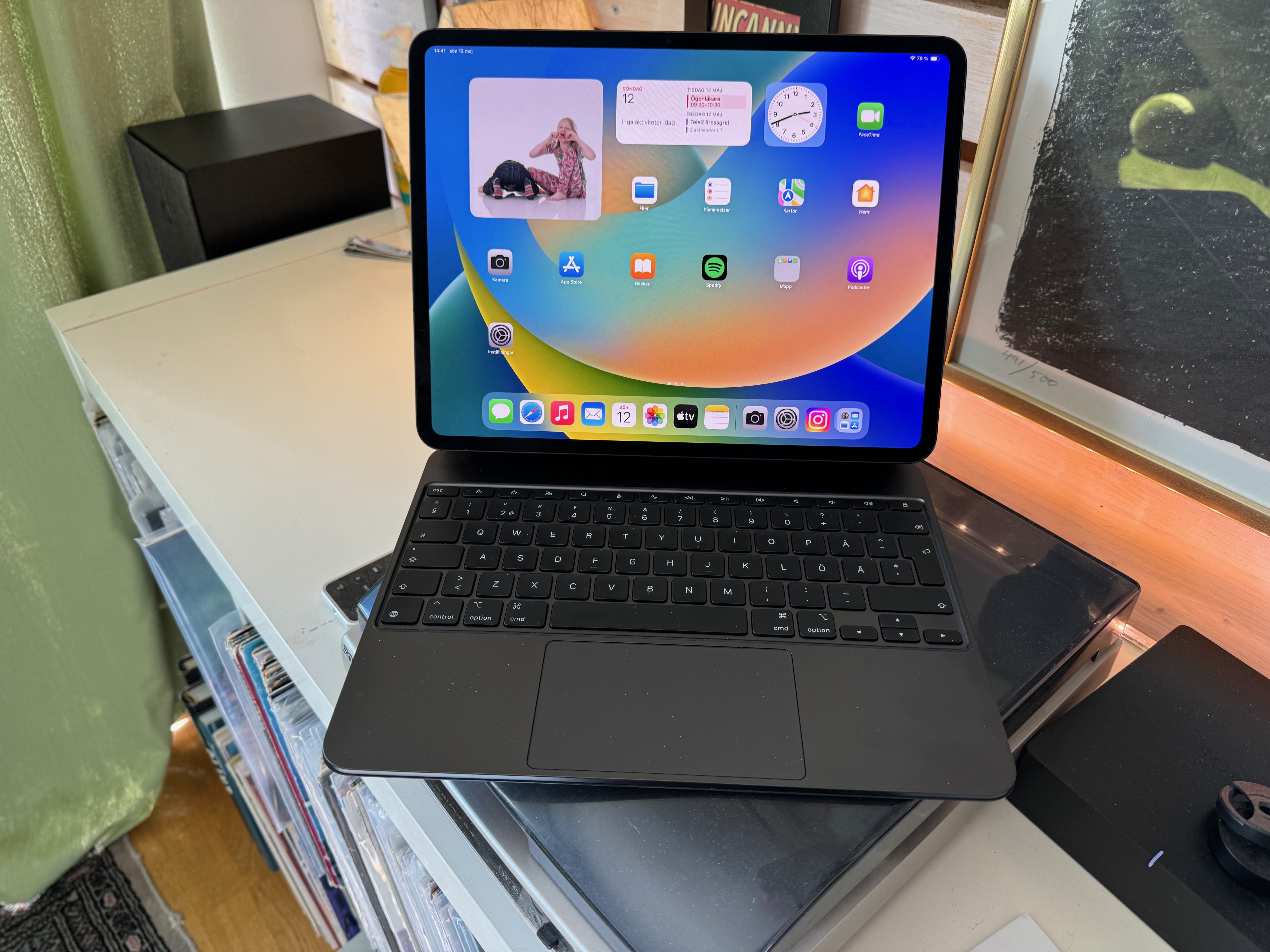
In the latest edition of his Power On newsletter, Bloomberg's well-informed reporter Mark Gurman says the company's “new vision for the future of computing” is a giant foldable iPad (or iPad). He claims that when unfolded, this product will offer a single transparent display the size of two iPad Pros side by side, but will still fit in a backpack when folded.
Needless to say, this represents a major departure from Apple's current product portfolio, which contains no iPads with screens larger than 13 inches, nor any devices with a foldable screen. Gurman suggests the foldable's maximum screen size will be closer to 20 inches, which would make it comfortably larger than even the largest MacBook, which currently tops out at 16 inches.
Before readers rush to recycle their frustratingly small iPad Pros, we should emphasize that this remains a long-term goal rather than an imminent launch. Gurman says it's already been in development (or “perfected,” as he puts it) for a few years and that Apple is “aiming to have something commercially available around 2028.” And that's assuming there are no other delays and headaches along the way. It's still a long way off, with no guarantee it will happen.
Apple's late entry into the foldable device market is partly due to the “fold” problem. Foldable devices currently on the market are all, to a greater or lesser extent, afflicted with an identifiable crease at the point where the screen bends, but Cupertino clearly isn't willing to take the plunge until it could not repair it. Gurman understands that the Apple Park prototypes were made with “almost invisible” creases, but doubts remain about whether to remove them completely, as well as whether a crease will appear over time. time.
Peter Ahrnstedt
However, aside from development hurdles, there are also doubts about whether a giant-sized foldable iPad will sell, especially given the extremely high price tag it is sure to command. The 13-inch iPad Pro is already a niche, low-volume product in a relatively low-revenue section of Apple's overall lineup. We therefore wonder how many consumers would be willing to pay several thousand dollars for something twice as large. no matter how smooth its folding mechanism is.
Aside from the price and the foldable element, which adds new points of failure and a much higher cost of entry, I'm not even convinced that the idea of a giant iPad is a good business idea. On the one hand, there is the issue of iPadOS, the product's likely software platform. By 2028, iPadOS will likely have been further integrated and evolved into macOS, but the software's designers will need to make sure it still makes sense on the simplest budget iPads. Unless Apple is willing to do another OS split and develop separate versions of iPadOS for different iPads, it's hard to be optimistic about the iPad's future as a as a working device.
Foldable devices are just one of those markets that get a lot of media attention, which is why experts are constantly speculating about when (rather than if) Apple should and will join. But it might make more sense to start with a foldable iPhone, a product in high demand. product where gaining extra screen space while maintaining a compact body seems more of a worthy goal. The Wall Street Journal [subscription required]in fact believes that such a product is being developed in parallel with the foldable iPad: it will be deployed up to a screen size “which would be larger than an iPhone 16 Pro Max”, reports the newspaper.
Contrary to Gurman's opinion on the situation, the WSJ believes that the foldable iPhone will arrive before its big brother. “Apple executives,” he said, “are pushing for a 2026 release, but the company may need another year to address technical challenges.” » I would also take this prediction with a pinch of salt, but it seems more likely – and more reasonable – than the giant foldable iPad.


