
Apple is quite secret on the number of sales of individual products, so we must be satisfied with income figures for whole categories. But even with these vague figures, most analysts agree that the iPhone 16th of this year moves considerably more units than the 3rd generation iPhone.
In the latest edition of his power on newsletter, Bloomberg's journalist largely followed Mark Gurman says that it is not surprising.
“For fans of the SE,” he explains, “the second generation jump to the third was quite minimal [that’s a polite way to put it]So there were fewer reasons to upgrade. The iPhone 16th – while fundamentally a stripped iPhone 16 – is a significant overhaul of SE 3. ”
Gurman adds that Apple marketed the 16th in a more intelligent and more attractive way than the iteration in 2022 of the SE. By attaching it to the telephones in the 16 series rather than on the SE line, the company added “a little more attraction” in markets such as China.
This is all good news for Apple, but Gurman says that he is more interested in a different question: if Apple will update the “E” range of iPhones once a year, as it does with flagship handsets. The line, on the other hand, was updated quite sporadically: these phones arrived in 2016, 2020 and 2022 before the start of the 16th in 2025.
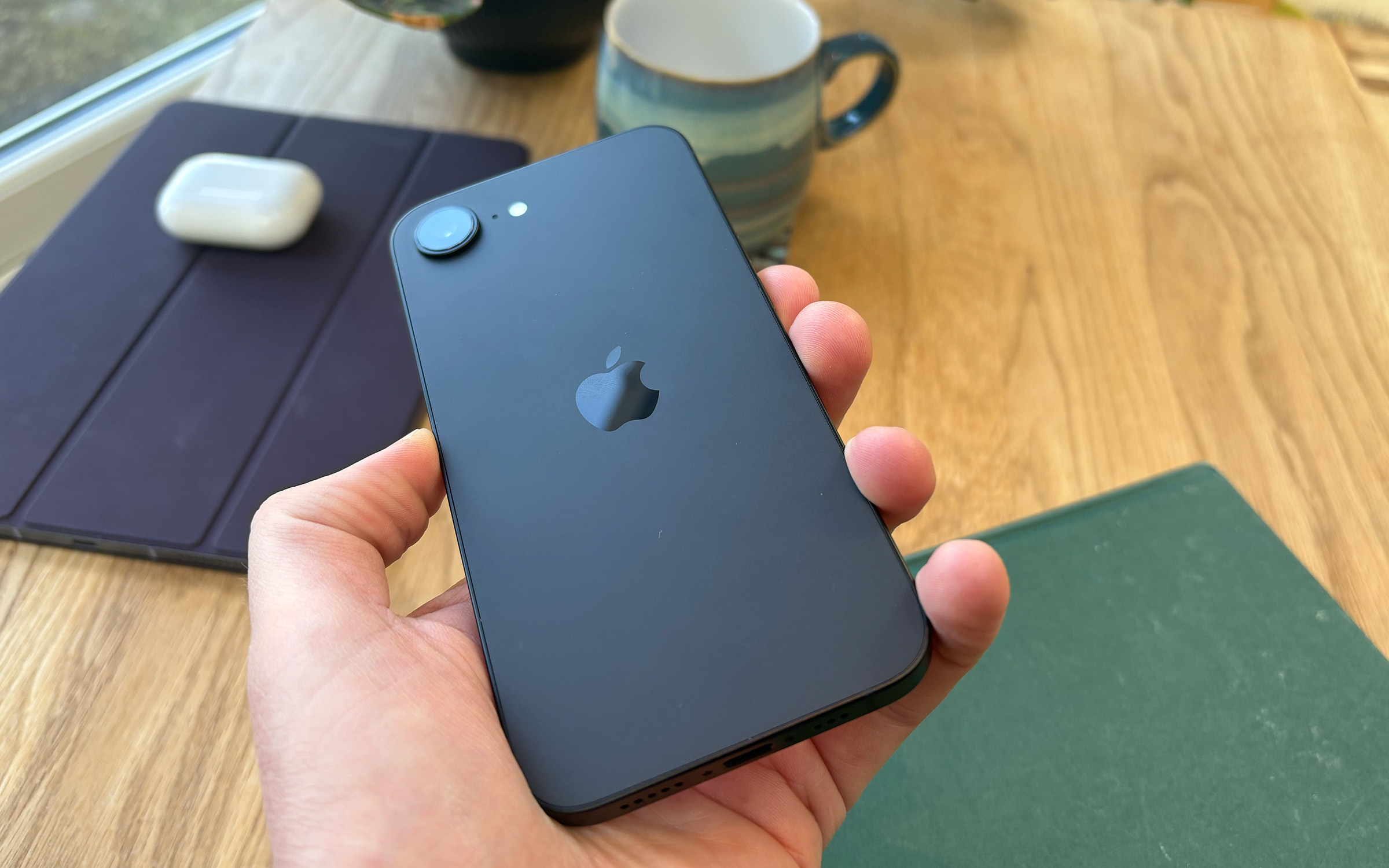
The iPhone 16th has apparently stimulated many upgrades, but will the 17th be also successful?
David Price / Foundry
Gurman does not pretend to be sure whether the iphones “E” will follow an annual launch rate, because he says that Apple himself has not made a final decision. But he stresses that competing companies such as Samsung and Google publish new budgetary phones one or more times a year, and on this basis concludes that an annual upgrade cycle for the iPhone 16th and its successors “have a lot of meaning”.
But I am not convinced that this is the case. According to Gurman's logic, the iPhone 16th obtained a positive reception specifically because it represented a significant upgrade and a major change compared to the 3rd generation SE, a device that costs much less and was released three years earlier. This would absolutely not be the case if Apple launched an iPhone 17th in April 2026, based on what seems to be a prudent set of combined in series 17 in September. The phone will probably be quite similar to the 16th, and although it may appeal to owners of the iPhone 13 or 14, it would not represent the exciting sea change which has won such apparent commercial success.
The problem is that you can launch regularly, or you can release phones that are a great improvement compared to their predecessors, but you cannot do both. Or rather, you can, but Apple does not like it, because regular basic refreshments are reduced on the margins beneficiaries and make future launches more difficult to navigate.
In balance, I think it is probably logical to carve out a foreseeable annual launch rate for the line “E”, so that customers can learn to expect a new phone in mid-market every spring and adjust their purchasing plans accordingly. But that would not guarantee success each year like the rest of the iPhone line. By making the decision, Apple will be, I am sure, which will take into account the probability that a 17th in April 2026 is much less interesting for customers than the 16th in April.
But here is a last point. Apple could Make the 17th attractive instantly by reversing some of the most extreme compromises he has made to guarantee the Apple intelligence supported 16th. To achieve this, the 16th was equipped with an A18 chip and 8 GB of RAM, a much more powerful (and costly) configuration than necessary otherwise. But now that the bar has been eliminated, these primary specifications do not need to change in 2026. Apple could release a 17th with the same chip, the same RAM, and concentrate its resources on the restoration of Magsafe, perhaps. Or adding a second camera goal. Or even go from a notch to the dynamic island.
These changes, if they are logistically possible, guarantee a second successful “E” launch. But this strategy has a limited shelf life, because the 18th should improve that. And ultimately, switching to an annual long -term release strategy means accepting that many of your products will be received with a yawn, not a cry.


