
With the kick -off of season 2 and the start of the world tour of Tekken at the corner of the street, 2025 seems to be another incredible year for fans of the legendary Tekken series by Bandai Namco. As one of the first combat games on the original Playstation, Tekken has a unique link with the consoles, the series evolving its gameplay and its story alongside the platforms. Let's take a look at the Mishima family saga and all the ravages they have caused over the years for PlayStation players.
Linear starts
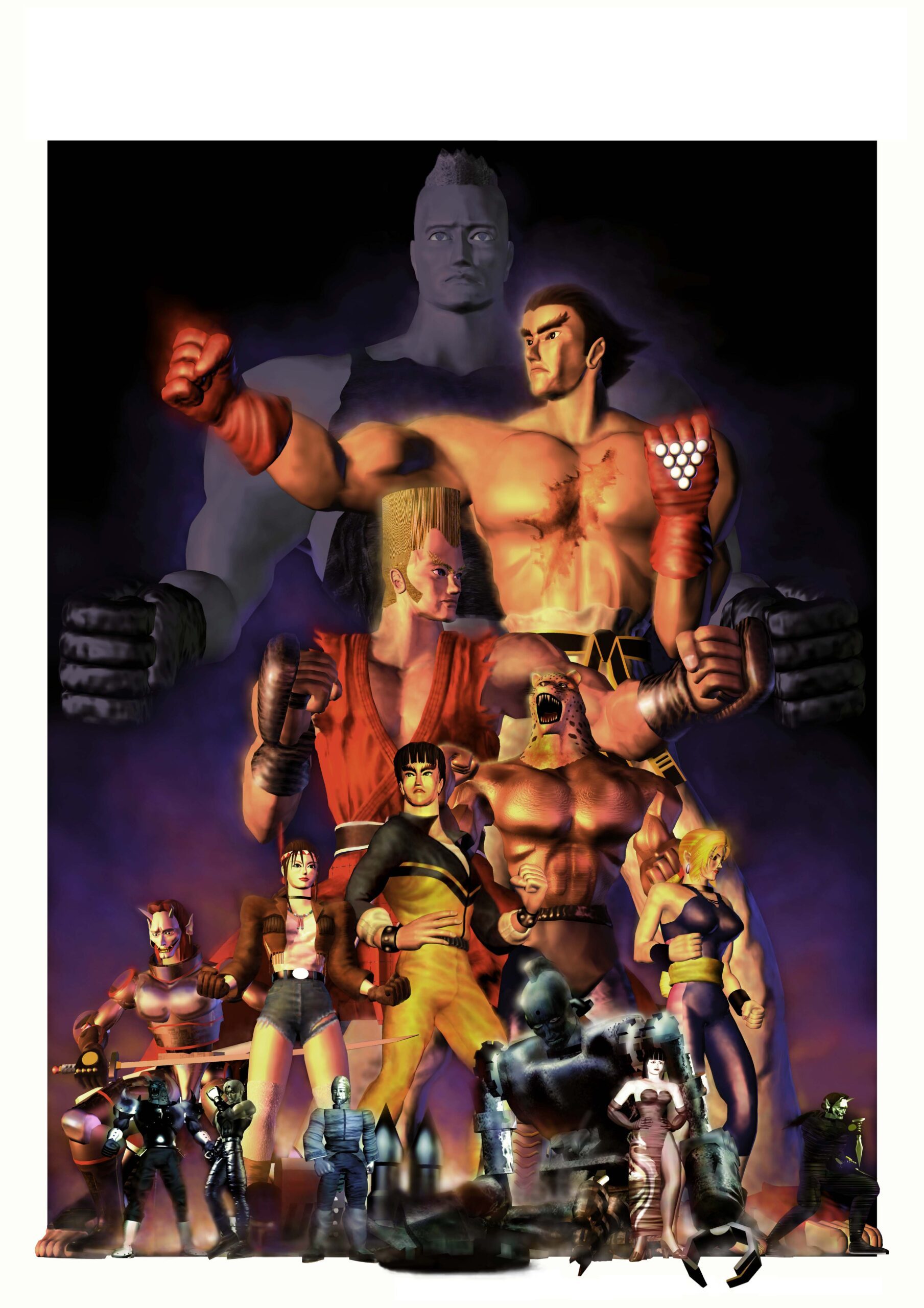
The original Tekken was one of the first fighting games to make its debut on the original PlayStation, launched in early 1995 in Japan and in the fall elsewhere. In addition to the introduction of the Diabolical Mishima family and establishes many basic mechanisms of the series, such as the control scheme with four attacks, Tekken has also established a new high watermark for future reception ports. Until this point, the players were used to home ports of arcade games compromising the lower equipment with visuals and missing sound and missing contents. However, as Tekken's arcade release was on advanced equipment very similar to the PlayStation, the port was perfect arcade. But Namco made an additional effort and added content not in original films: end, characters of playable sub -damp, even a hidden unlocking character who would play a very big role in future games – that you would need to master Galaga as the busy game to discover.

Show and download the image

Show and download the image

Show and download the image
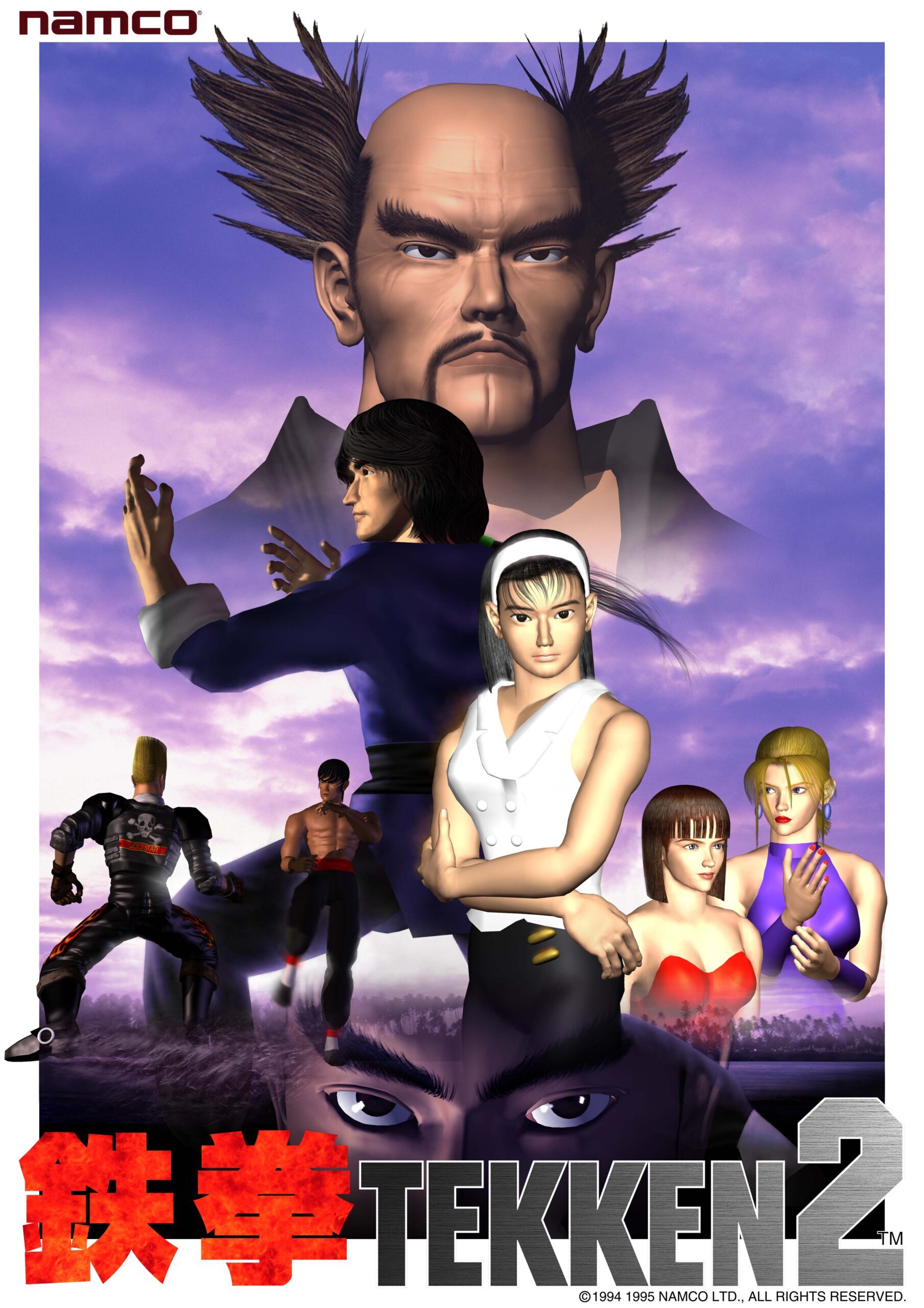
Tekken 2, which arrived at the Arcades at the end of 1995, surprised the players, focusing on the fallen patriarch and the original tekken villain, Heihachi Mishima, while bringing fresh faces Jun and Lei. He also introduced a multitude of additional characters who unlocked over time, encouraging players to come back and try newly started characters. In 1996, Namco brought the game to PlayStation with a port that was a marked improvement. The film CG and the intro CG intro, exclusive PlayStation by Tekken 2, were amazing and established the reputation of the series for high quality cutscenes. He also added new game modes: team battle, time attack, survival mode and practical mode.
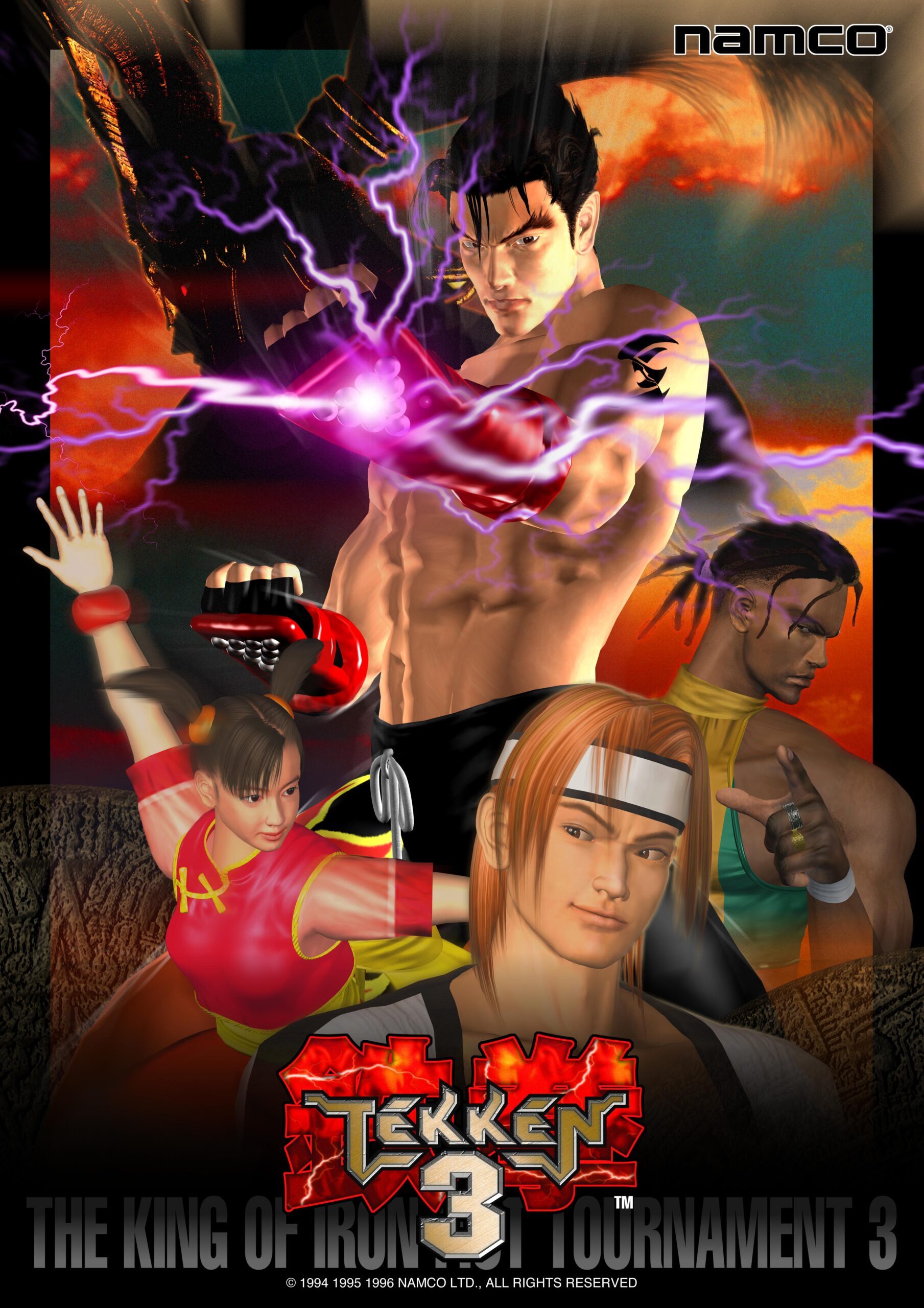
For many fans, Tekken 3 was their introduction to the series. He was both massively popular in arcades and successful success worldwide when he made his debut on PlayStation in 1998. By advancing the story of 20 years, the leading man's coat went to Jin Kazama, the son of Kazuya and Jun, and many return characters were older (but not always darker) or replaced by a successor. New characters have been introduced that would quickly become fans' favorites in the future, including Hwoarang, Bryan, Eddy and Xiaoyu. To better take advantage of the 3D arenas, Tekken 3 added sidestep dodges for all the characters to use. The PlayStation version has added two gameplay modes: the Beat-Up style style style, and the favorite of the beloved party Tekken Ball, as well as additional characters: Anna Williams, Dr. Bosconovich and the very first guest character of Tekken, The Tiny Dinosaur Gon.
Revenge, fueled by emotional engines
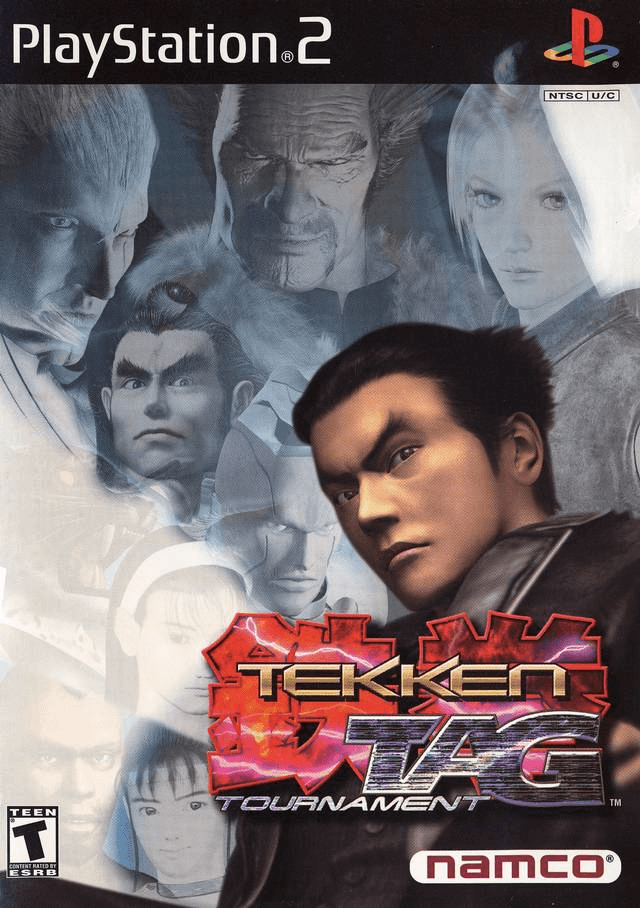
When the time came to make his debut on PlayStation 2, it was natural that a Tekken title is starting next. The Tekken Tag tournament arrived at the console in 2000 with massively improved visuals on its Arcade counterpart, presenting the visual loyalty that players could expect from the PS2. TTT has changed its fight the formula: rather than playing a character, you would train a team of two fighters and could exchange between them in combat. The list has also been considerably extended to contain a multitude of characters from the whole series, including pre-Toteskip characters. Finally, we obtained another wild mini-game in the form of Tekken Bowl.
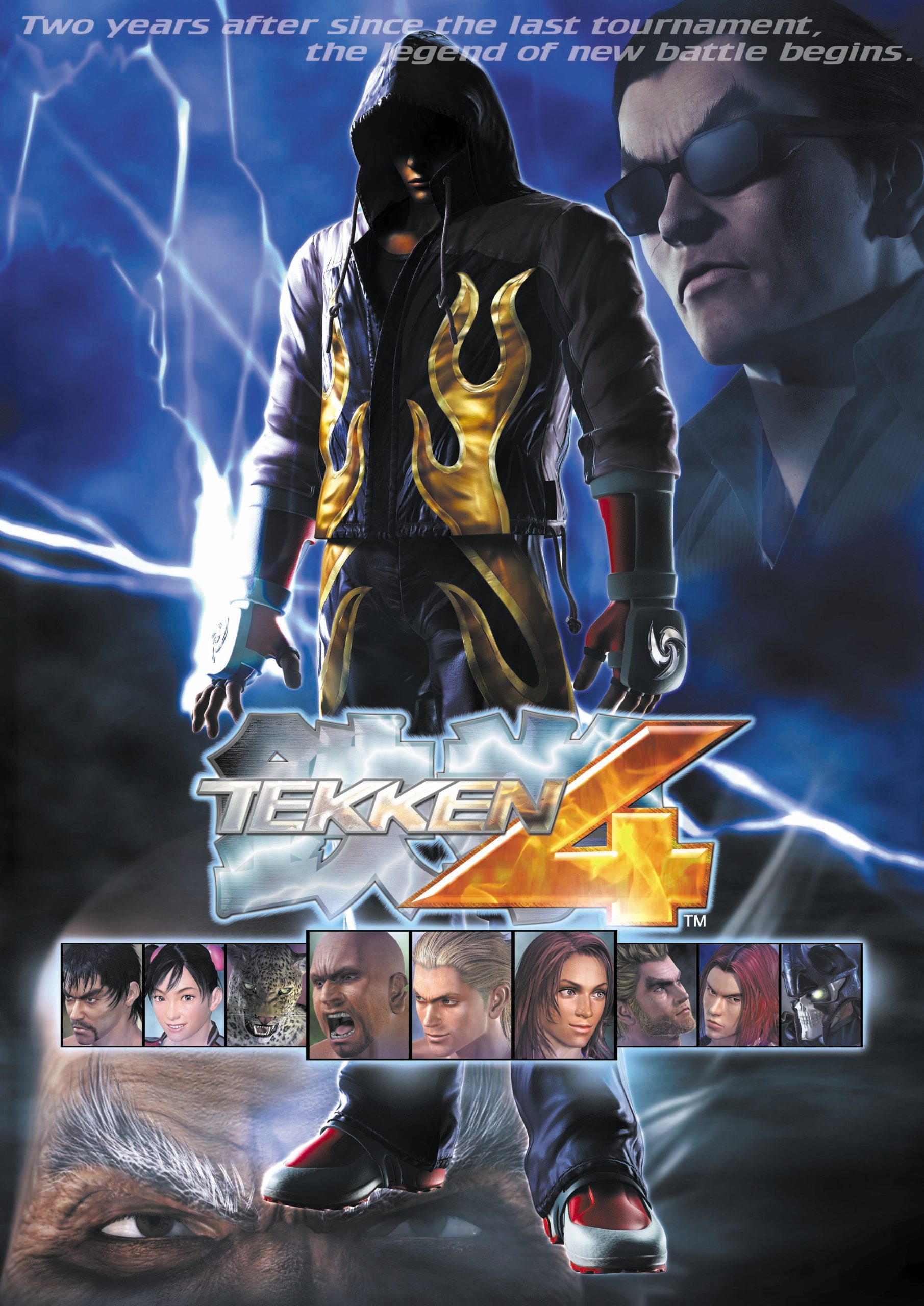
Tekken 4 would emerge a little more than a year after the TTT PS2 debut, reintroducing Kazuya to history and changing a little gameplay. Previously, all stages of Tekken had been “endless” stages without defined limits. Tekken 4 has changed things by introducing steps with floor, walls and other unequal obstacles – which would grant additional damage and combined opportunities when opponents were criticized against them. The movement has also been adjusted, modifying certain popular movement strategies observed in T3 and TTT. Tekken 4 also underlined the story to a higher degree than previous games: additions to the console were a full-fledged history mode as well as a very wide tekken sub-game.

Show and download the image

Show and download the image

Show and download the image
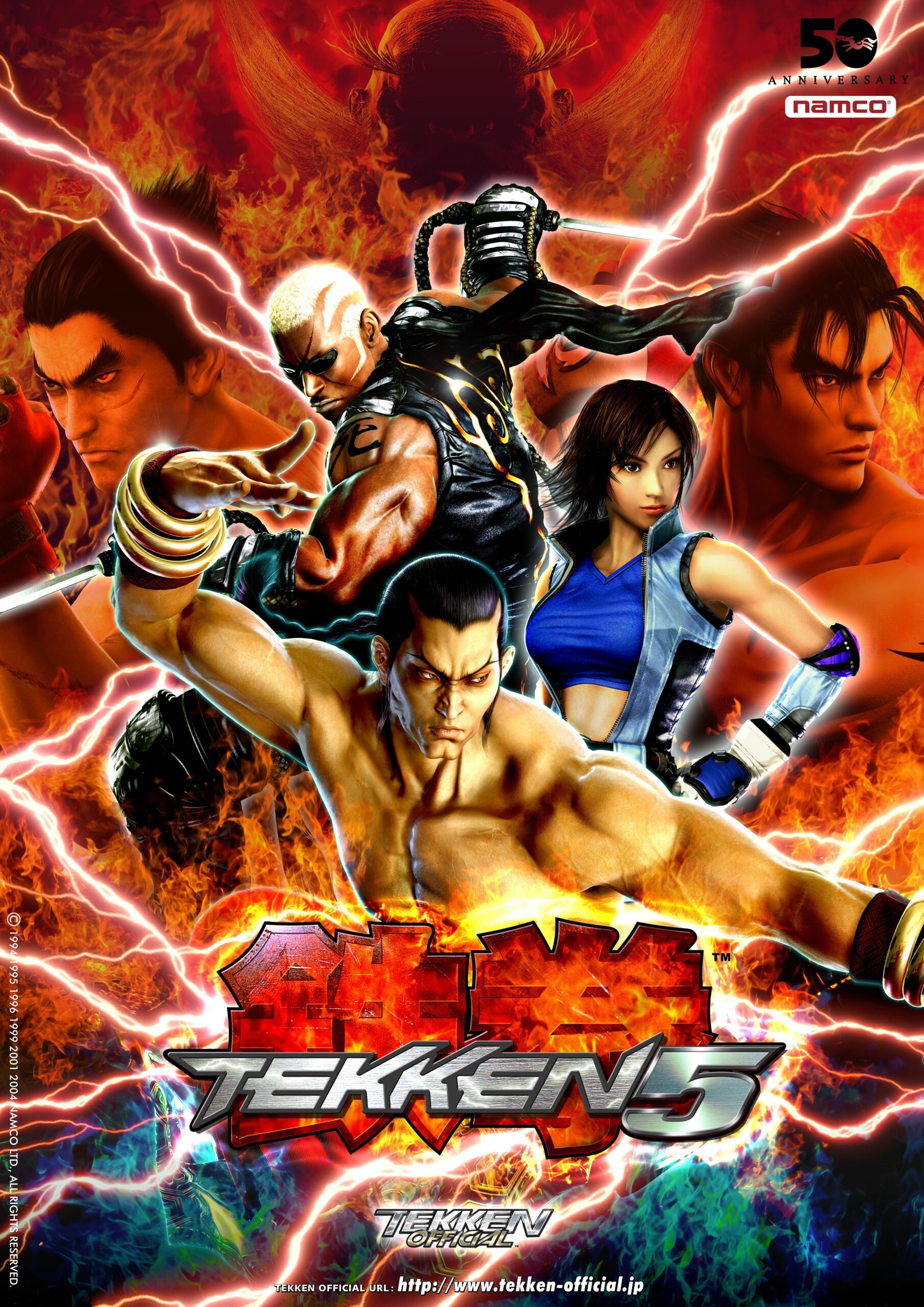
It would take a few years before Tekken 5 entered the ring. By picking up directly where Tekken 4 had stopped, with Heihachi Mishima apparently dead and the devil side of Jin more eminent, Tekken 5 would become a favorite of fans. Namco has started some of Tekken 4's movement and stage design changes in response to the feedback from players. Asuka, Feng and Raven joined the list, as well as the possibility of personalizing characters with cosmetic articles won and bought in the game. The original Tekken 5 would see a PS2 port, where the Boss Jinpachi was made playable and the fight of Jin Kazama took the front of the stage in the devil based on the action in mode – throughout the playable ports of the Arcade Tekken 1, 2 and 3. It would not be the last that we would see from Tekken 5, however.
Devils out of a cell
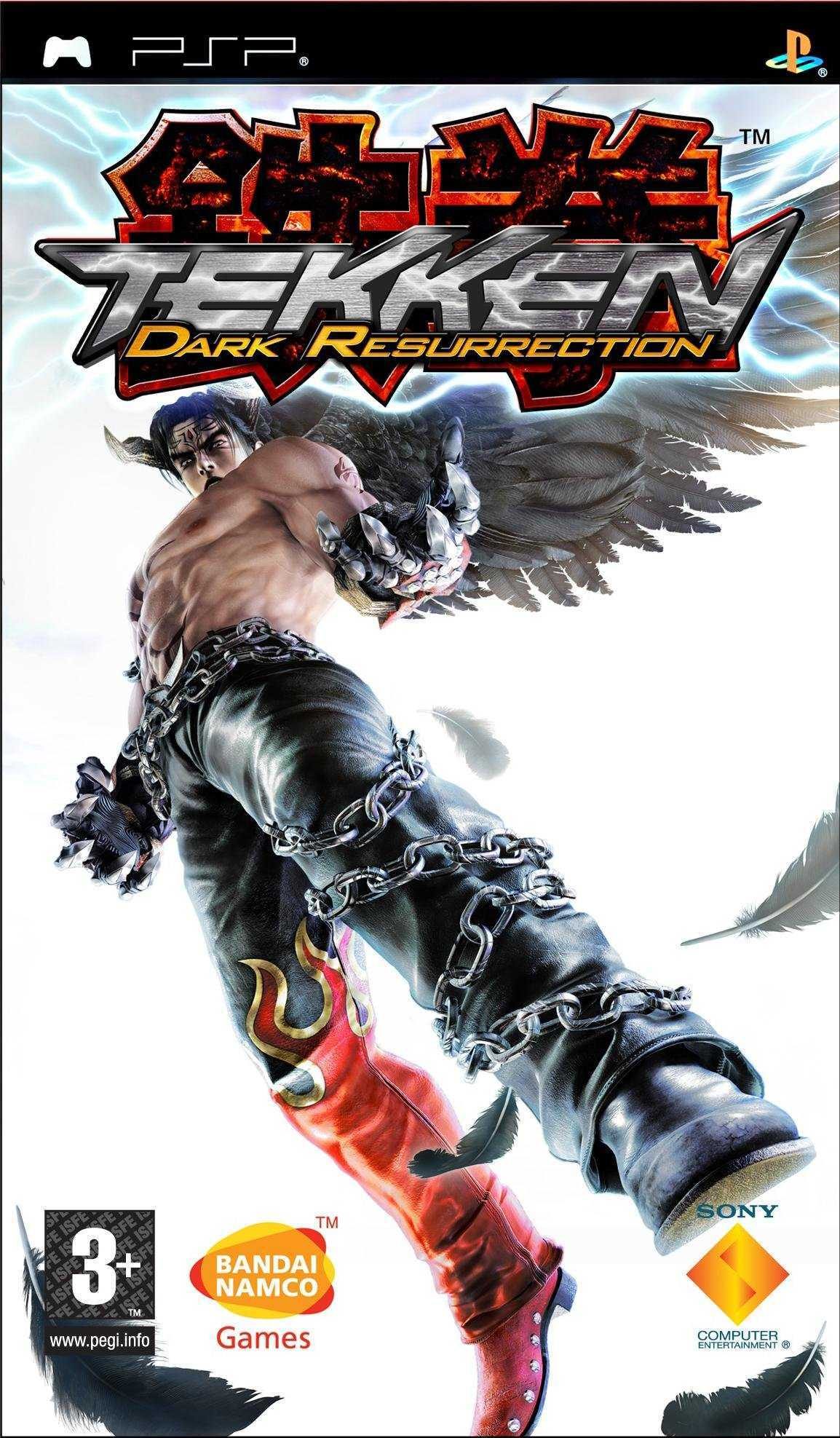
A revision of the 2006 Arcade of Tekken 5, Dark Resurrection, would present the players of combatants Lili and Dragunov, would change some visuals and further refine the gameplay. The first port of Dark Resurrection would actually arrive at the PSP in mid-2006, bringing with it the new Tekken Dojo mode, which allows players to share the “ghosts” controlled by the AI of their online gameplay so that others can download and fight against. Although the game was well received on PSP, the players still wanted a console version, so a few months later, T5DR was created a downloadable game on the PlayStation Network. An update would follow in mid-2007 to play online games. To date, T5DR is one of the most loved Tekken titles among fans.
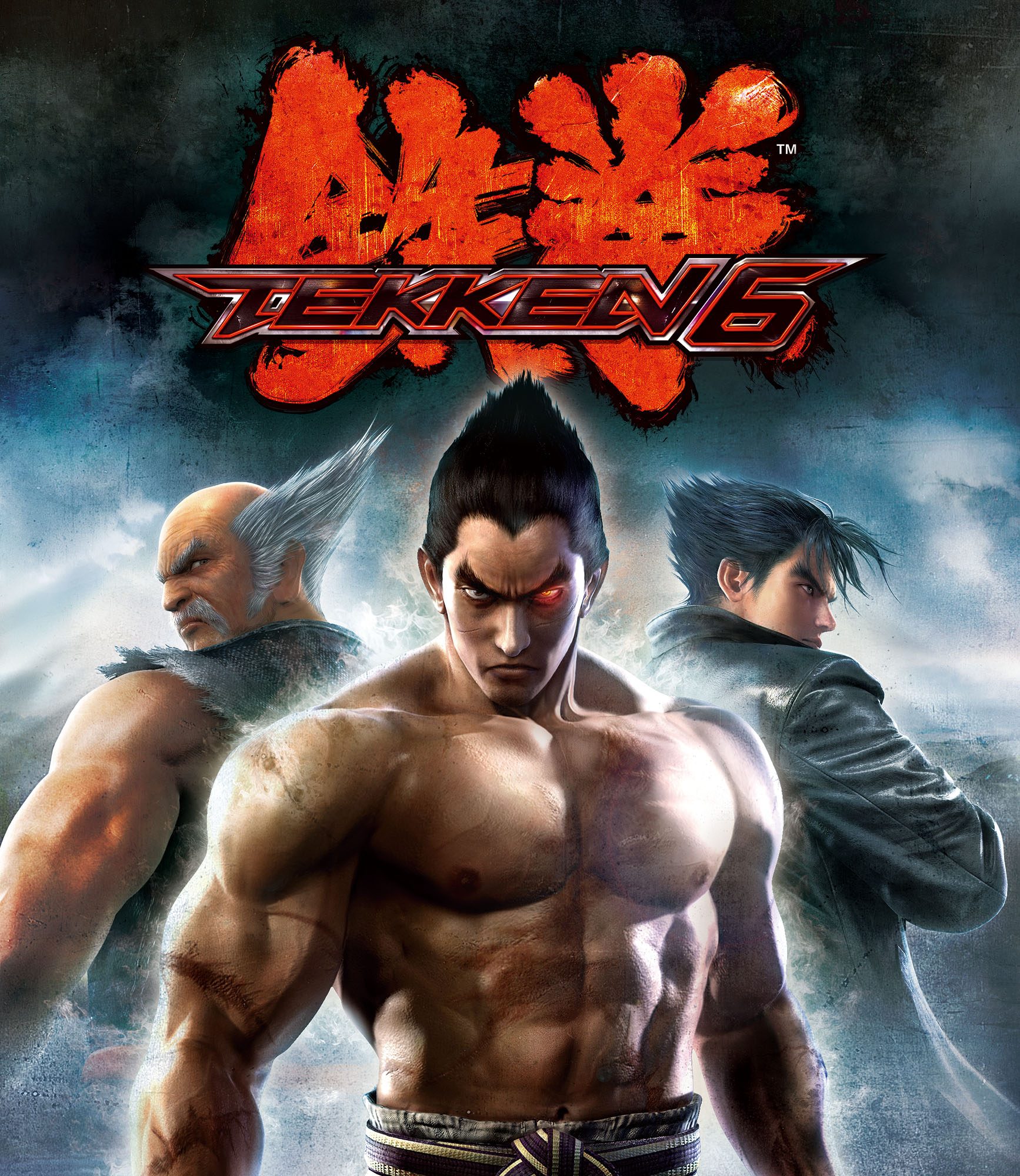
Later that year that year, Tekken 6 would emerge in the arcades, presenting new faces Bob, Zafina, Leo and Miguel. Things now became fiery among the Mishimas, with Jin and Kazuya both in control of massive societies that would start and heihachi unrelated. Bloodline Rebellion, an update of the end of 2008, would more complicate the family struggle by presenting the forgotten son of Heihachi Lars and Mecha-Maiden Alisa brandishing with arms to fight. The additions of gameplay include the rage mechanic – where players inflict more damage when they are at low lifespan – as well as the combined extent system and interactive background elements such as walls and breast floors.

Show and download the image

Show and download the image

Show and download the image
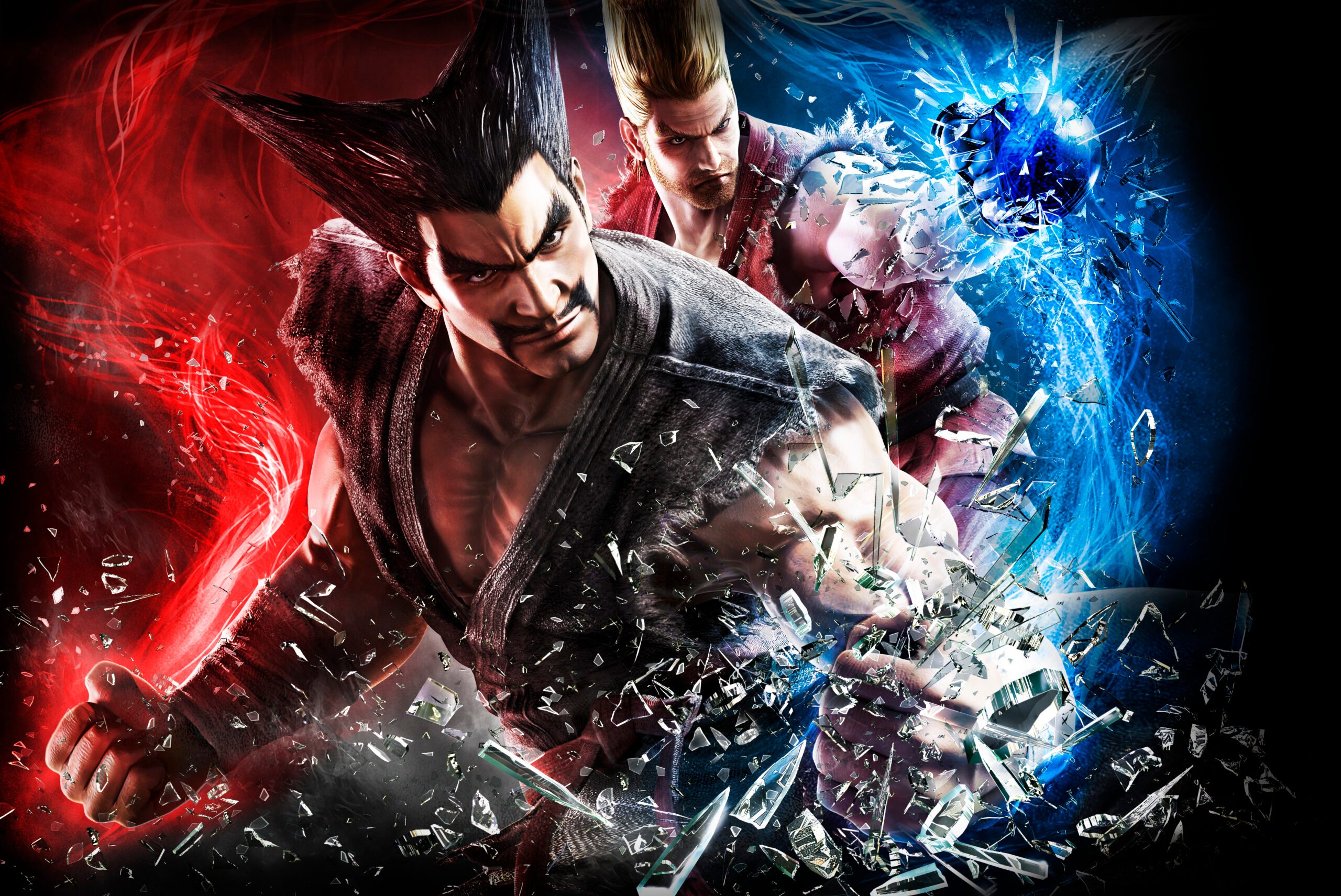
The PS3 version, strongly based on Bloodline Rebellion, published in 2009 and presented the biggest history mode to date in the form of the scenarios campaign. He followed the duo of Lars and Alisa as they lead a band of rebels against the Force Tekken and the Mishima Zaibatsu. Tekken 6 also published on the PSP, and although he was not the scenario campaign, he offered some of the best visuals of the ad hoc platform and multiplayer.
It would take a few years before the return of Tekken, and in the meantime, Bandai-Namco released Tekken Hybrid in 2011. This set offered an HD remaster of the Tekken Tag tournament with an original CG film, Tekken: Blood Vengeance, and a demo of the TTT2, TTT2, TTT2, brought back the Tag-Gorning 2. The PS3 port, which was launched at the end of 2012, added several inherited characters, a new scene and a piece of music by the famous musician Snoop Dogg, CG ending the cutscenes for the whole distribution, and some additional actors and variants of characters.
Another interesting spin-off emerged after TTT2: Tekken Revolution, a free version of Tekken focused on online matches. By playing, players could make money in the game to unlock other characters, as well as to use skill points won to improve the attributes of characters. Tekken Revolution received frequent updates to add gameplay characters and features throughout his life, finally ending the service in 2017.
The fight continues
Tekken 7 took his time at PlayStation 4, finally reaching the players in 2017, two years after his exit from Arcade. Meanwhile, Arcade Tekken 7 received updates, including reprisals intended, which led Akuma of Street Fighter to the list. However, he was not alone – Lucky Chloé, Josie, Katarina, Claudio and Shaheen also joined the fray, alongside several new stages and system changes. Given some of Tekken Revolution's comments, T6 limits have been adjusted and reduced, supplanted by new screw combo starters. The rage system has also been developed, creating new skills in dynamism and rage art which could be used with low health – but only once per turn, and at the cost of reviving rage damage.


By reaching the PS4, Tekken 7 received a long and concluding history mode console, but perhaps more important, he has received a complete list of DLC updates for years later, adjusting the skills of characters and adding many new stages, music and characters over time. In addition to reintroducing the former favorites excluded from the original list, the Tekken 7 DLC also called on new characters Leroy and Lidia – and, most memorable, several additional surprise guest characters: Geese Howard by Fatal Fury, Noctis of Final Fantasy XV and Neegan from The Walking Dead.
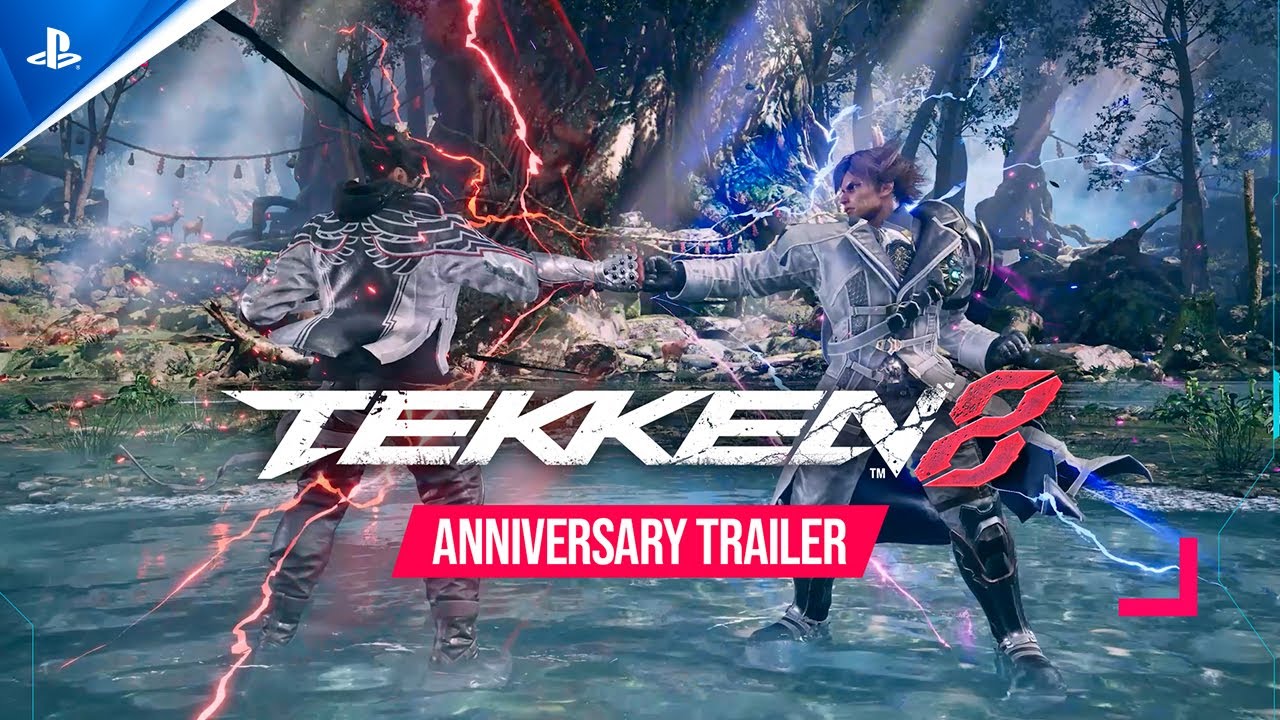
While Tekken 8 marked his first birthday on the PS5 last January, fans can hope for many other surprises. Season 2 of DLC promises that even newer, appreciated and unexpected characters will join the list, and the last update of free history sinks on a cliffhanger which promises even more inter-family drama between the Mishimas in the future.
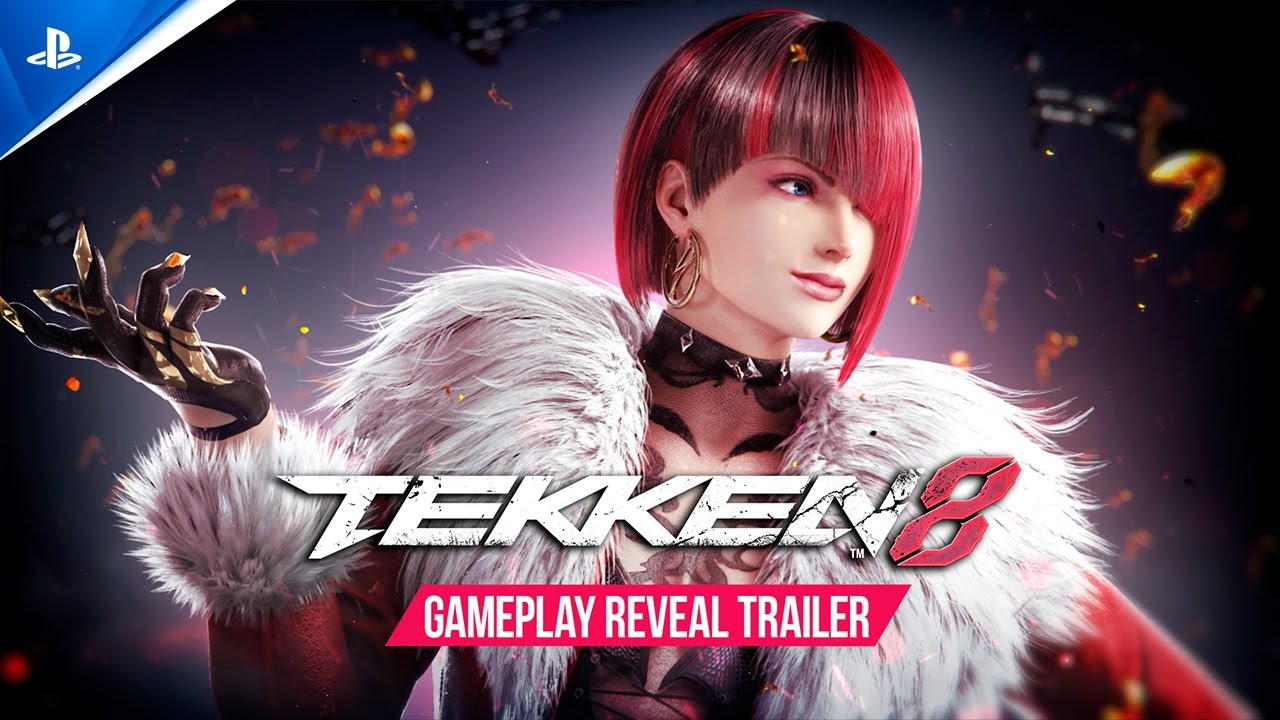
Table of Contents


